A leaking shower might seem like a minor inconvenience, but even a small drip can waste water, increase utility bills, and potentially cause expensive damage if left untreated. Learning how to fix a shower leak starts with identifying where the water is coming from and understanding whether the problem involves a showerhead, faucet, drain, or damaged shower enclosure. Some leaks are relatively simple to repair, while others can indicate a larger plumbing or waterproofing issue.
Whether you’re dealing with a constantly dripping showerhead or water collecting outside your shower, acting quickly can help protect your bathroom. At Express Bath, we help Alabama homeowners upgrade aging, damaged, and outdated showers with attractive, low-maintenance replacements. If recurring leaks have you considering a bathroom upgrade, contact Express Bath to explore your shower replacement options.
Start by Identifying the Problem
Before attempting any shower leak repair, determine where the water is escaping.
Different leaks require different solutions, and repairing the wrong component can waste time without addressing the underlying problem.
Common signs of a leaking shower include:
- Water dripping from the showerhead after the shower has been turned off
- Moisture collecting around the faucet handle or shower arm
- Water pooling outside the shower enclosure
- Damp walls, peeling paint, or discoloration near the bathroom
- Water stains on the ceiling beneath an upstairs bathroom
- Persistent musty odors around the shower
- Loose tiles, deteriorating grout, or damaged caulking
The first step is determining whether the leak occurs while the shower is running, after it’s turned off, or continuously.
For example, a showerhead that drips long after the water is shut off may have a worn valve cartridge. Water escaping around the bottom of a shower enclosure could indicate damaged door seals, failed caulking, or a more serious waterproofing problem.
If water is entering walls or ceilings, stop using the shower until a qualified professional identifies and addresses the cause.
What Causes a Shower to Leak?
Shower leaks can develop for several reasons, ranging from normal wear and tear to plumbing problems hidden behind the walls.
Understanding the most common causes makes troubleshooting easier.
Worn Shower Faucet Cartridges
A shower faucet cartridge controls water flow and, in many systems, temperature mixing.
Over time, mineral buildup, repeated use, or deterioration can prevent the cartridge from sealing properly.
When this happens, water may continue dripping from the showerhead even after the handle is fully turned off.
Replacing the cartridge with the correct manufacturer-approved component may resolve the problem.
Loose Showerhead Connections
A loose connection between the showerhead and shower arm can allow water to escape while the shower is running.
The threaded connection, gasket, or sealing washer may have deteriorated.
Depending on the fixture design, tightening the connection, replacing a washer, or applying appropriate thread-sealing tape can help stop the leak.
Damaged Grout or Caulking
Grout and caulking serve different purposes in a shower.
Caulking creates flexible seals around transitions and joints, while grout fills spaces between tiles.
Cracked grout or deteriorating caulk can allow moisture to reach areas that shouldn’t be exposed to water.
However, grout and caulk are not substitutes for a properly installed waterproofing system. A leaking shower pan or failed waterproofing membrane requires more than a surface repair.
Faulty Shower Door Seals
If water collects on the bathroom floor during a shower, inspect the enclosure.
Worn door sweeps, damaged seals, improperly adjusted doors, and gaps in the enclosure can allow water to escape.
These issues are often easier to identify because water appears outside the shower primarily when it’s being used.
Hidden Plumbing or Drain Leaks
Water escaping from pipes, fittings, drain connections, or the shower valve behind the wall can lead to significant damage.
These problems may remain unnoticed until stains, soft drywall, or persistent moisture appear.
Hidden plumbing leaks generally require professional diagnosis and repair.
How to Fix a Leaky Showerhead
A leaky showerhead is one of the most common shower problems homeowners encounter.
The appropriate repair depends on whether water escapes from the threaded connection or continues dripping from the spray nozzles after the shower is turned off.
Step 1: Determine Where the Showerhead Is Leaking
Run the shower briefly and observe where water appears.
If water leaks around the connection between the showerhead and the shower arm, the problem may involve the gasket or threaded connection.
If the showerhead continues dripping long after the water is turned off, a worn shower valve or cartridge is a more likely cause.
A short period of dripping immediately after use can simply be residual water draining from the fixture.
Step 2: Inspect the Connection
Turn off the shower and allow the fixture to cool.
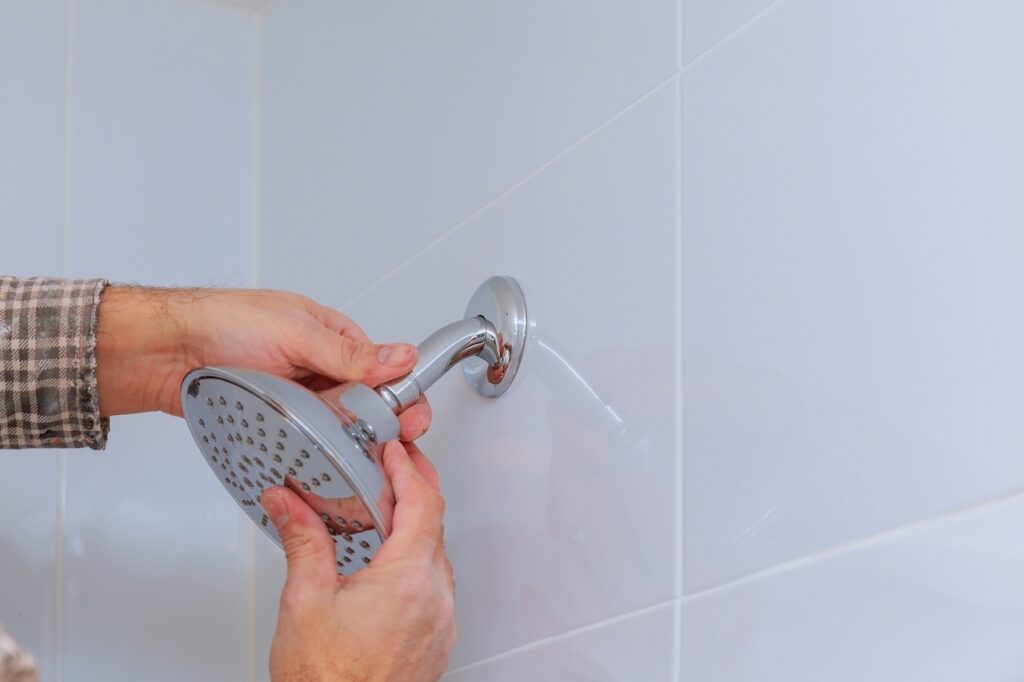
If the connection is leaking, carefully remove the showerhead according to its manufacturer’s instructions.
Inspect the washer or O-ring for cracking, flattening, or other signs of deterioration.
Replace damaged components with compatible parts.
Step 3: Reinstall the Showerhead
Clean any mineral deposits or debris from the connection.
Reinstall the showerhead following the manufacturer’s directions. Some threaded connections require plumber’s tape, while others seal using an internal gasket and should not use additional tape.
Avoid overtightening, which can damage the threads or fixture.
Step 4: Test for Leaks
Turn on the shower and carefully inspect the connection.
If water continues escaping, the showerhead may need replacement or further inspection.
The Environmental Protection Agency’s WaterSense program explains that a showerhead leaking at 10 drips per minute can waste more than 500 gallons of water annually.
Addressing even a small leak can help reduce unnecessary water consumption.
How to Fix a Shower Faucet Leak
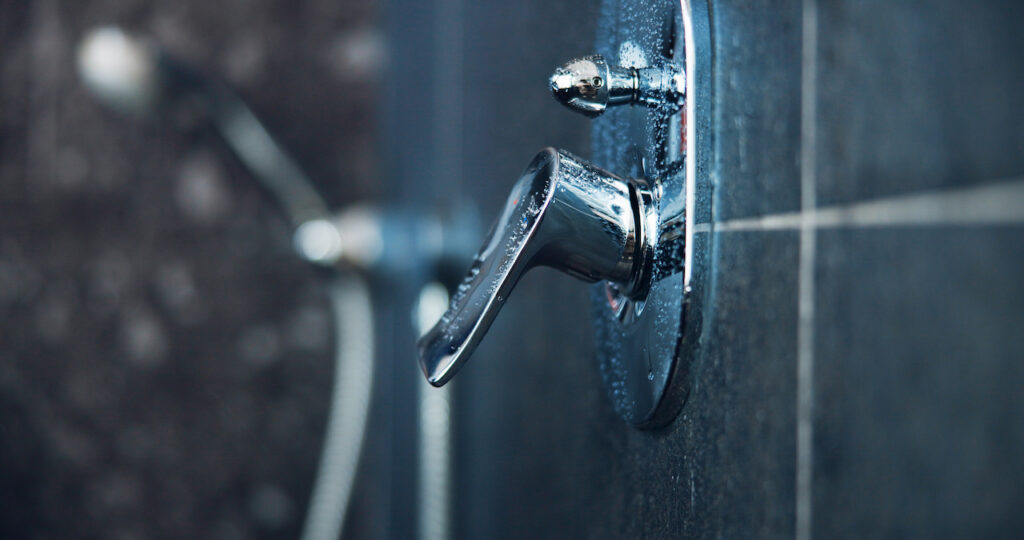
A shower faucet leak often occurs because the valve cartridge, washers, or internal seals are worn.
Unlike a loose showerhead connection, this problem may require accessing the components behind the shower handle.
Step 1: Turn Off the Water Supply
Before opening the shower valve, shut off the appropriate water supply.
Some showers have accessible isolation valves, but many require shutting off the home’s main supply.
Open the shower control to relieve remaining pressure and verify that the water is off.
Step 2: Remove the Shower Handle
Depending on the faucet design, the handle may have a decorative cover, exposed screw, or concealed set screw.
Carefully remove the handle using the appropriate tool.
Avoid forcing components that appear stuck or corroded.
Step 3: Inspect the Valve Cartridge
Remove the trim and access the cartridge according to the manufacturer’s instructions.
Examine the cartridge and accessible seals for visible damage, buildup, or deterioration.
Because shower valves vary significantly, consult the manufacturer’s documentation before removing or replacing internal parts.
The Home Depot’s faucet cartridge replacement guide explains how worn cartridges and O-rings can contribute to persistent leaks.
Step 4: Replace Damaged Components
If the cartridge is defective, install an exact compatible replacement.
Incorrect installation can cause leaks, temperature-control problems, or damage to the valve assembly.
If you’re unfamiliar with shower valves, hiring a licensed plumber is the safer option.
Step 5: Restore Water and Test
Reassemble the fixture according to the manufacturer’s directions.
Restore the water supply gradually, test the hot and cold settings, and check for leaks around the handle and showerhead.
If the shower continues dripping, a plumber should evaluate the valve and related plumbing.
How to Fix a Shower Leaking at the Base
A shower leaking at the base can be more complicated than a dripping fixture because the water may be escaping through the enclosure, drain assembly, or underlying waterproofing system.
Start by inspecting visible areas without removing structural components.
Check the Shower Door and Seals
Look for damaged door sweeps, loose seals, and gaps around the enclosure.
If water escapes only while the shower is running, a door-sealing problem may be responsible.
Replace worn seals with compatible components and verify that the enclosure is properly aligned.
Inspect Caulking Around the Shower
Check the joints around the shower base and wall transitions for cracks, gaps, or deteriorating caulk.
If the waterproofing system is intact and the issue is limited to a failed surface seal, carefully removing and replacing the caulk may help.
Use a sealant approved for the shower materials and follow the manufacturer’s curing instructions.
Do not caulk over drainage or weep openings designed to release water.
Evaluate the Shower Base
Cracks, movement, or persistent moisture around a shower base may indicate a more significant problem.
If water appears below the shower or beneath nearby flooring, stop using the fixture and arrange a professional inspection.
Older or damaged shower enclosures sometimes require extensive repairs.
When the existing shower has multiple problems, homeowners may find that a complete shower replacement is a more practical long-term investment.
What to Do When a Shower Is Leaking Behind the Wall
A shower leaking behind wall surfaces is particularly concerning because damage may occur before the problem becomes visible.
Potential warning signs include:
- Water stains on adjacent walls or ceilings
- Bubbling paint or peeling wallpaper
- Soft drywall or deteriorating baseboards
- Persistent dampness after the shower has dried
- Musty smells that don’t improve with normal cleaning
- Unexplained moisture in a nearby room
These symptoms don’t automatically confirm a hidden pipe leak. Failed waterproofing, drain connections, or other moisture sources may produce similar effects.
However, the underlying cause should be investigated promptly.
Avoid cutting into walls or attempting plumbing repairs without the appropriate tools and experience.
If active water leakage is suspected, shut off the relevant water supply if it is safe to do so, avoid using the shower, and contact a qualified plumber.
DIY Shower Leak Repair vs. Professional Help
Not every shower leak requires a full renovation.
Some minor problems can be addressed with basic maintenance and inexpensive replacement parts.
However, knowing when to seek professional help can prevent a small issue from becoming a costly repair.
| Problem | Possible Next Step |
| Loose showerhead connection | Inspect and reseal according to manufacturer instructions |
| Damaged showerhead washer | Replace the compatible washer |
| Persistent drip when shower is off | Have the valve or cartridge inspected |
| Water escaping around a shower door | Inspect seals, alignment, and door sweep |
| Cracked surface caulking | Replace if waterproofing beneath is sound |
| Water behind walls or under flooring | Stop using the shower and call a professional |
| Cracked shower base or repeated enclosure leaks | Evaluate structural repairs or replacement |
A helpful rule is to distinguish between a fixture problem and a waterproofing problem.
A loose showerhead connection may need only a replacement washer. A failed shower base or damaged waterproofing system can require substantially more work.
For homeowners dealing with aging shower materials, reviewing different types of showers can help clarify available replacement options.
How to Prevent Shower Leaks and Water Damage
Preventive maintenance is one of the best ways to reduce the likelihood of future shower leaks.
Although no shower is completely maintenance-free, consistent care can help identify developing problems early.
Inspect Fixtures and Seals Regularly
Take a few minutes every month to check the showerhead, faucet handle, enclosure seals, and visible caulking.
Look for drips, movement, cracking, and gaps.
Addressing minor defects promptly may prevent moisture from reaching surrounding materials.
Keep Shower Surfaces Clean
Soap residue, mineral buildup, and accumulated debris can interfere with fixtures and make deteriorating seals harder to notice.
Use cleaners approved by your shower manufacturer.
If your shower has tile walls, Express Bath’s guide on how to clean shower tiles offers additional cleaning and maintenance advice.
Monitor Moisture Around the Bathroom
Pay attention to damp floors, unexpected water spots, and persistent condensation.
Ventilation helps reduce humidity, but it doesn’t repair plumbing or waterproofing leaks.
Use the bathroom exhaust fan and allow wet surfaces to dry when possible.
Repair Leaks Before They Spread
Even small leaks deserve attention.
If a repair fails repeatedly or moisture keeps returning, further investigation is necessary.
Delaying repairs can allow damage to spread into surrounding drywall, framing, or flooring.
For long-term improvements, homeowners may also consider modern shower systems with easy-to-clean wall materials and updated enclosure designs.
When Should You Replace a Leaking Shower?
Understanding how to fix a shower leak is useful, but sometimes repairing the existing shower is only a temporary solution.
If your shower experiences frequent leaks, damaged wall materials, or ongoing maintenance issues, replacement may be worth considering.
Signs It’s Time for Shower Replacement
Common reasons homeowners consider replacing an older shower include:
- Repeated leaks despite appropriate repairs
- Cracked or deteriorating shower bases
- Extensive damage to surrounding materials
- An outdated enclosure that’s difficult to maintain
- Persistent issues with tile, grout, or caulking
- A desire for improved accessibility or a more functional layout
Not every leak requires a replacement. A licensed plumber or qualified waterproofing professional should diagnose the problem before major work begins.
However, if the shower enclosure is already nearing the end of its useful life, replacing it may be more practical than continuing to invest in repairs.
If your shower continues leaking despite repeated repairs, upgrading to a modern shower system may be worth considering. Different shower styles offer unique benefits in terms of accessibility, maintenance, and design. Learn more about the types of showers available for your bathroom remodel to find an option that fits your home.
Benefits of Upgrading Your Shower
A professionally installed replacement shower can improve both the appearance and everyday functionality of your bathroom.
Modern shower systems offer features such as:
- Durable acrylic wall surrounds
- Low-maintenance surfaces
- Customizable shower doors and fixtures
- Built-in shelving and storage
- Optional seating and grab bars
- Slip-resistant shower base options, depending on the selected product
Homeowners interested in modernizing their bathrooms can also explore walk-in shower designs and ideas.
Upgrade Your Bathroom With Express Bath
For homeowners in Northern and Central Alabama, including the Decatur and Birmingham areas, as well as the Mobile region, Express Bath provides professional bathroom remodeling solutions.
Our services include:
- 1-Day Shower Replacement: Replace an aging shower with a modern system, with qualifying installations completed in as little as one day.
- 1-Day Bathtub Replacement: Upgrade an outdated bathtub with a comfortable, attractive replacement.
- Walk-In Shower Installation: Create a more spacious and convenient bathing area.
- Tub-to-Shower Conversions: Transform an underused bathtub into a functional shower.
For homeowners whose existing bathtub no longer meets their needs, a tub-to-shower conversion can make better use of the available bathroom space.
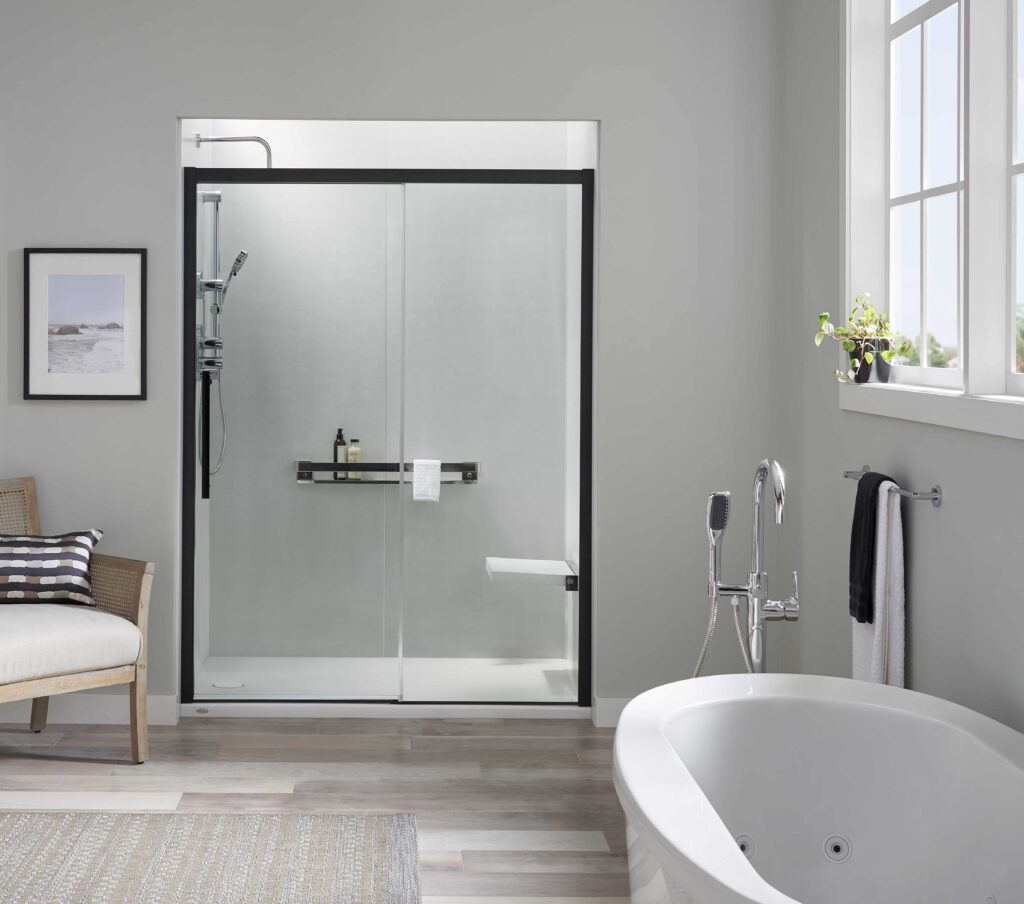
Those seeking easier entry can also explore Jacuzzi® walk-in showers or barrier-free shower options.
Express Bath specializes in shower installations and bathroom remodeling. Active plumbing leaks should be diagnosed and repaired by an appropriately qualified professional before or as part of the relevant renovation work.
How to Fix a Shower Leak and Know When It’s Time for an Upgrade
Knowing how to fix a shower leak can help you address minor problems before they develop into more serious concerns. Whether you’re dealing with a leaky showerhead, a worn faucet cartridge, or water escaping around your shower enclosure, the first step is identifying the source and choosing the appropriate repair.
While simple leaks may require only a replacement washer or properly sealed connection, recurring problems and extensive shower damage can signal that a larger improvement is needed.
At Express Bath, we help homeowners throughout Northern and Central Alabama and the Mobile area transform outdated bathrooms with beautiful, durable shower replacement solutions.
If you’re ready to move beyond ongoing shower problems and enjoy a refreshed bathroom, contact Express Bath today to request your free consultation or call 256-502-9587 to discuss your project.
FAQ: Shower Leaks
Why Is My Showerhead Dripping When the Water Is Off?
A showerhead that drips briefly after use may simply be releasing residual water. However, continuous dripping often indicates a worn cartridge, damaged valve seal, or another problem that prevents the water supply from closing completely.
Can I Fix a Shower Leak Myself?
Some minor leaks, such as those caused by loose showerhead connections or damaged accessible washers, can be repaired by homeowners with basic tools. Hidden plumbing leaks, valve problems, and failed waterproofing systems generally require professional assistance.
How Do I Know If My Shower Is Leaking Behind the Wall?
Possible signs include damp drywall, peeling paint, water stains, musty odors, and moisture appearing in adjacent rooms. A professional inspection can determine whether the source is plumbing, drainage, or waterproofing.
Will Replacing Shower Caulk Stop a Leak?
Replacing deteriorating caulk can resolve certain surface-sealing problems. However, caulk cannot repair a damaged shower pan, leaking pipe, or failed waterproofing membrane.
Is It Better to Repair or Replace an Old Shower?
A simple fixture leak is often worth repairing. If the shower has extensive damage, repeated leaks, or deteriorating components, replacement may provide better long-term value. The decision should follow an accurate diagnosis. Discover how a bathroom remodel can add value to your home and which improvements are worth considering.
How Long Does Shower Replacement Take?
The timeline depends on the condition of the bathroom and the installation requirements. Express Bath offers qualifying one-day shower replacements, although projects requiring additional plumbing, structural, or moisture-damage repairs may take longer.