A beautiful freestanding tub can completely transform the look and feel of your bathroom. It creates a luxurious focal point, adds value to your home, and gives you a relaxing place to unwind after a long day. But with so many shapes, sizes, materials, and installation options available, choosing the right tub can feel overwhelming.
At Express Bath, we help Alabama homeowners create bathrooms that combine comfort, style, and functionality. Whether you are planning a full remodel or simply upgrading your bathing space, understanding what to look for in a freestanding tub can help you make the best investment for your home.
In this guide, we will walk through everything you need to know before selecting a freestanding tub, from sizing and materials to placement and maintenance.
Why Homeowners Love a Freestanding Tub
A freestanding tub offers a different experience compared to traditional built in tubs. Instead of being tucked against a wall or enclosed within a surround, it stands on its own and becomes a centerpiece in the bathroom.
Many homeowners choose a freestanding tub because it:
- Creates a high end, spa inspired appearance
- Works with both modern and traditional bathroom styles
- Offers flexible placement options
- Provides a deeper soaking experience
- Adds visual value and elegance to the space
A freestanding tub is especially popular in primary bathroom remodels where homeowners want to create a relaxing retreat.
Start With Your Bathroom Size and Layout
Before falling in love with a particular design, the first step is making sure the tub fits comfortably in your bathroom.
Freestanding tubs generally require more surrounding space than alcove tubs. You want enough clearance around the tub so the room does not feel cramped and cleaning remains easy.
When measuring your bathroom, consider:
- Overall floor space
- Distance from walls and vanities
- Door swing clearance
- Plumbing location
- Ceiling height if placing the tub under windows or sloped ceilings
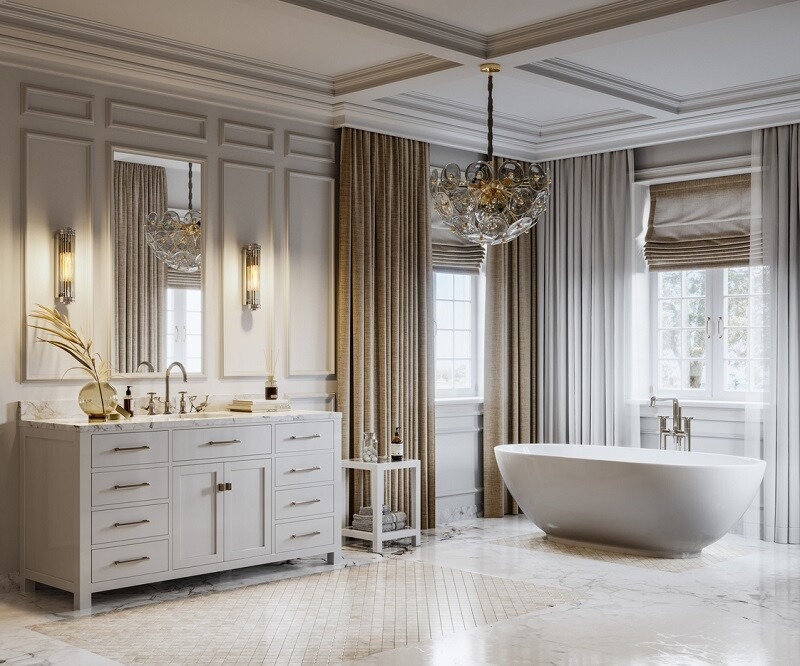
In smaller bathrooms, a compact freestanding tub may still work beautifully. In larger bathrooms, you may have room for oversized soaking tubs or statement pieces placed in the center of the room.
A professional bathroom remodeling team like Express Bath can help determine the ideal placement and dimensions for your layout.
Consider the Different Freestanding Tub Shapes
One of the biggest advantages of choosing a freestanding tub is the wide range of design options available. The shape you choose affects not only appearance but also comfort and functionality.
Oval Tubs
Oval tubs are among the most popular styles because they provide a soft, timeless appearance. Their curved edges work well in both contemporary and classic bathrooms.
They are also comfortable for soaking and often fit well in medium to large bathrooms.
Rectangular Tubs
Rectangular tubs offer a clean, modern look with sharper lines. These tubs often pair nicely with minimalist or contemporary bathroom designs.
Because of their shape, they may maximize interior bathing space while maintaining a streamlined footprint.
Slipper Tubs
A slipper tub features one or both ends raised higher for additional back and neck support. These tubs create an elegant, vintage inspired appearance while offering exceptional comfort.
Double slipper tubs elevate both ends, making them ideal for two person soaking.
Clawfoot Tubs
Clawfoot tubs remain a favorite for homeowners who love traditional or farmhouse aesthetics. Their decorative feet and classic silhouette create a timeless statement.
Modern clawfoot tubs are available in updated finishes and materials that blend vintage charm with modern convenience.
Choose the Right Tub Material
The material of your freestanding tub affects everything from durability and maintenance to heat retention and price.
Acrylic
Acrylic is one of the most common freestanding tub materials because it is lightweight, durable, and affordable.
Benefits include:
- Easy maintenance
- Excellent heat retention
- Variety of styles and sizes
- Easier installation due to lighter weight
Acrylic tubs are a practical choice for many homeowners and are commonly used in bathroom remodels.
Cast Iron
Cast iron tubs feature an enamel coating over heavy iron construction. These tubs are extremely durable and retain heat exceptionally well.
However, they are significantly heavier than acrylic tubs and may require additional floor support.
Stone Resin
Stone resin tubs offer a luxurious appearance with a smooth, solid feel. They often mimic natural stone while remaining more manageable in weight.
These tubs are highly durable and excellent at retaining warmth.
Fiberglass
Fiberglass tubs are lightweight and budget friendly, though they may not last as long as other materials. They can scratch or fade more easily over time.
For homeowners seeking long term durability, acrylic or stone resin is often preferred.
Think About Soaking Depth and Comfort
A freestanding tub should look beautiful, but it should also feel comfortable to use.
One major advantage of freestanding tubs is their deep soaking capability. Many models allow water to cover more of the body compared to standard tubs.

When comparing tubs, consider:
- Tub depth
- Back support angle
- Interior width
- Length for legroom
- Arm placement comfort
If relaxation is your primary goal, testing the shape and ergonomic design can make a big difference.
Some homeowners also prefer center drain tubs, which allow more balanced seating positions, especially for two people.
Pay Attention to Weight Requirements
Freestanding tubs can become very heavy once filled with water and occupied. This is especially important with cast iron or stone tubs.
Before installation, your bathroom floor should be evaluated to ensure it can safely support the combined weight of:
- The tub itself
- Water volume
- Bathers
This is another reason professional installation matters. An experienced remodeling company can determine whether reinforcement is necessary before installation begins.
Understand Plumbing Considerations
Unlike built in tubs that typically hide plumbing behind walls, a freestanding tub may require exposed or floor mounted plumbing.
You will need to think about:
- Drain placement
- Faucet location
- Water supply lines
- Accessibility for maintenance
Freestanding tub faucets come in several styles:
- Floor mounted faucets
- Wall mounted faucets
- Deck mounted faucets
- Tub mounted faucets
Floor mounted fillers are particularly popular because they create a dramatic, luxurious appearance.
Planning plumbing early in the remodeling process helps avoid costly changes later.
Match the Tub to Your Bathroom Style
Your freestanding tub should complement the overall design of your bathroom.
For example:
- Modern bathrooms often pair well with sleek oval or rectangular tubs
- Farmhouse bathrooms may feature clawfoot tubs
- Transitional spaces often use minimalist soaking tubs with soft curves
- Luxury spa inspired bathrooms may include oversized stone resin tubs
The finish of your fixtures also matters. Coordinating your faucet finishes, hardware, and shower fixtures creates a more cohesive design.
Popular finishes include:
- Matte black
- Brushed nickel
- Chrome
- Brushed gold
- Oil rubbed bronze
At Express Bath, homeowners can explore remodeling options that create a fully coordinated bathroom design rather than focusing on just one fixture.
Decide Where the Tub Will Be Placed
Freestanding tubs provide flexibility in placement, but location affects both aesthetics and functionality.
Some popular placement options include:
Against a Wall
Placing the tub against a wall saves space while still offering the freestanding look. This option works well in smaller bathrooms.
Near a Window
Positioning the tub near a window can create a relaxing atmosphere with natural light and outdoor views.
Center of the Bathroom
In large luxury bathrooms, a centered freestanding tub creates a dramatic focal point.
Inside a Wet Room Design
Some modern bathrooms combine a freestanding tub and shower area within a waterproof wet room layout.
The best placement depends on your room size, plumbing access, and overall design goals.
Consider Maintenance and Cleaning
Freestanding tubs are generally easy to maintain, but certain styles may require more upkeep than others.
For example:
- Clawfoot tubs require cleaning around the feet
- Matte finishes may show residue more easily
- Narrow gaps between walls can be difficult to clean
Acrylic tubs are often among the easiest to maintain because they resist staining and are simple to wipe down.
To keep your freestanding tub looking its best:
- Use non abrasive cleaners
- Avoid harsh chemicals
- Wipe down surfaces regularly
- Clean drains periodically
- Address hard water buildup quickly
Choosing a practical design for your lifestyle can save time and effort in the long run.
Think About Accessibility and Future Needs
While freestanding tubs are beautiful, homeowners should also consider ease of use.
Many freestanding tubs have taller sides than standard tubs, which can make entry more difficult for some individuals.
If accessibility is a concern, consider:
- Lower profile tub designs
- Wider ledges for support
- Nearby grab bars
- Slip resistant flooring
- Walk in shower alternatives
A professional remodeling company can help balance luxury with long term functionality.
Budget for the Entire Installation
The cost of a freestanding tub involves more than just the tub itself.
Your overall project budget may include:
- Tub purchase
- Faucet and fixtures
- Plumbing updates
- Hydrotherapy additions
- Flooring modifications
- Structural reinforcement
- Delivery and installation
- Bathroom remodeling labor
Higher end materials and custom installations can increase costs, but investing in quality products and professional installation often delivers better durability and performance.
Working with a trusted remodeling company can also help prevent unexpected expenses during the project.
Professional Installation Makes a Difference
Installing a freestanding tub requires precision planning and expert craftsmanship. Proper leveling, plumbing alignment, waterproofing, and drainage are all critical for long term performance.
At Express Bath, our team helps homeowners create bathrooms that are both stylish and functional. From tub selection to complete bathroom remodeling services, we focus on quality workmanship and personalized solutions tailored to your space and goals.
Professional guidance can help ensure your new freestanding tub fits beautifully within your bathroom while avoiding common installation issues.

Common Mistakes to Avoid When Choosing a Freestanding Tub
Choosing the wrong tub can lead to frustration, unnecessary costs, or poor functionality. Here are some common mistakes homeowners should avoid:
Choosing Style Over Comfort
A tub may look stunning online but feel uncomfortable during actual use. Prioritize ergonomics and soaking comfort along with appearance.
Ignoring Bathroom Scale
An oversized tub can overwhelm a small bathroom and make movement difficult. Always match the tub size to the room dimensions.
Forgetting About Faucet Placement
Freestanding tubs often require unique faucet configurations. Plumbing should be planned before installation begins.
Underestimating Weight
Heavy tubs may require structural reinforcement. This should always be evaluated in advance.
Skipping Professional Help
DIY installation mistakes can lead to leaks, drainage issues, or costly repairs. Professional installation provides peace of mind.
Is a Freestanding Tub Worth It?
For many homeowners, the answer is absolutely.
A freestanding tub adds luxury, elegance, and comfort to a bathroom while creating a relaxing environment that enhances daily life. Whether your style is modern, traditional, farmhouse, or spa inspired, there is a freestanding tub design that can fit your vision.
The key is selecting a tub that balances:
- Style
- Comfort
- Functionality
- Space requirements
- Durability
- Budget
With careful planning and expert installation, a freestanding tub can become one of the most enjoyable features in your home.
Upgrade Your Bathroom With Express Bath
If you are considering adding a freestanding tub to your bathroom remodel, the team at Express Bath is here to help. We work with homeowners to create beautiful, functional bathrooms designed around comfort, style, and long term value. Contact us online or call 256-502-9587 to schedule your free consultation today!
From tub selection and layout planning to professional installation, we can help bring your dream bathroom to life with solutions tailored to your needs and space.
FAQ: How to Choose the Right Freestanding Tub for Your Bathroom
1. What is the best material for a freestanding tub?
Acrylic is one of the most popular materials because it is lightweight, durable, affordable, and retains heat well. Stone resin and cast iron are also excellent options for homeowners looking for a more luxurious feel.
2. How much space do you need for a freestanding tub?
Most freestanding tubs require additional clearance around the tub for cleaning and accessibility. Ideally, you should leave several inches of open space on all sides to keep the bathroom functional and visually balanced.
3. Are freestanding tubs hard to clean?
Freestanding tubs are generally easy to maintain, especially acrylic models. However, tubs placed too close to walls or those with decorative feet may require more detailed cleaning around the base.
4. Can a freestanding tub go in a small bathroom?
Yes, many compact freestanding tub designs are made specifically for smaller bathrooms. Choosing the right size and placement is important to avoid overcrowding the space.
5. Do freestanding tubs increase home value?
A freestanding tub can enhance the appearance and luxury of a bathroom, which may help improve resale appeal for potential buyers, especially in primary bathroom remodels.